

November 5, 2026
Picture this: You've spent almost $900 on a ticket to a one-day event at A24's Cherry Lane Theatre in the West Village of New York City. The agenda is stacked with heavy hitters from the food & fashion industries talking the business of culture. The upper echelon of discernment and the word du jour, taste. Breakfast provided by merch king Apollo Bagels, coffee by …. Starbucks?
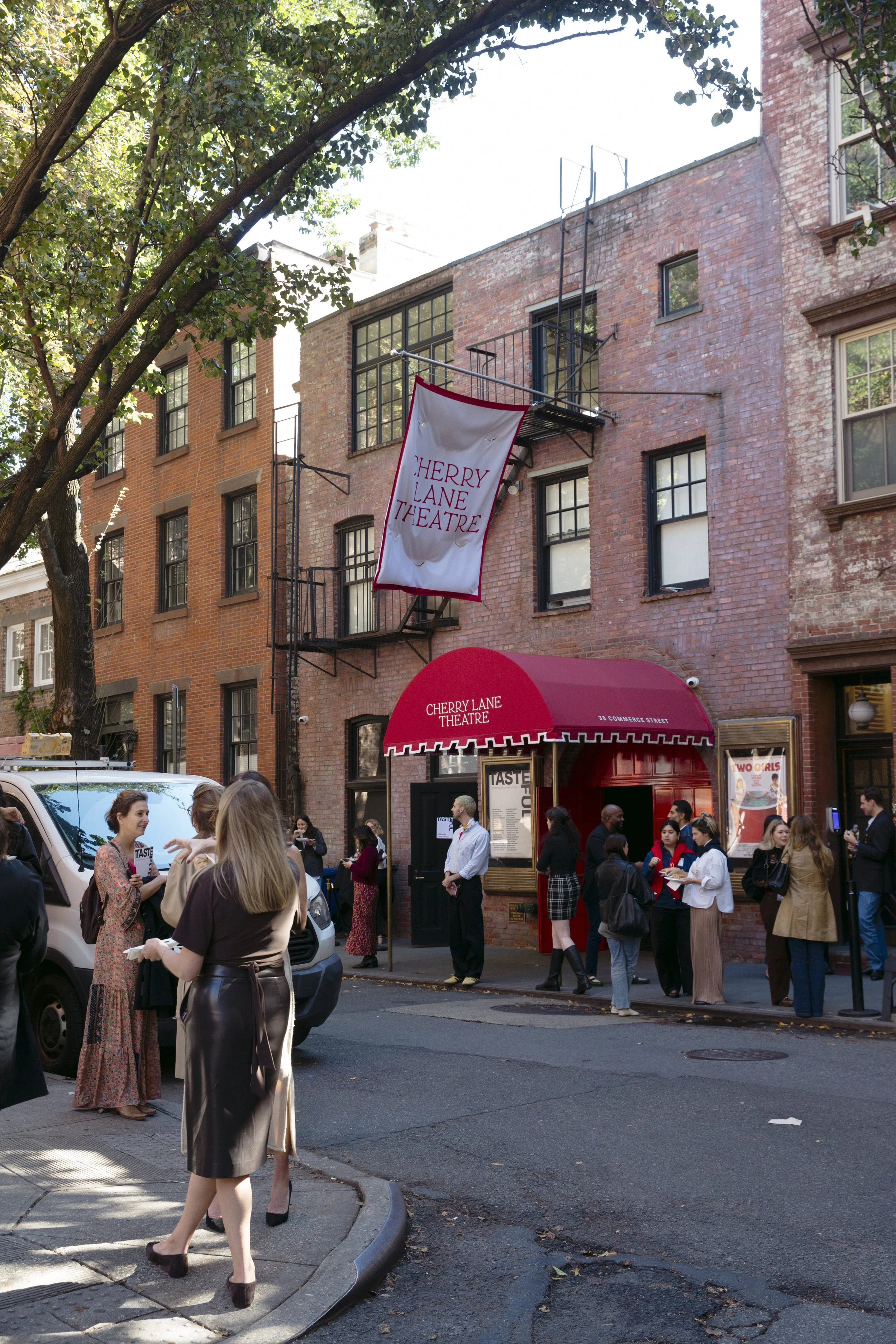
“Kind of a curious choice for an event named Tasteful,” one of my industry friends remarked as we sipped martinis at Balthazar the night before. But when in Rome ya girl could get into a shaken iced so I showed up the next morning thirsty.
Stage left as you entered the theatre was the coffee station. Three pre-made options: hot or iced coffee, iced matcha. Cleanly set, clearly marked. A brand rep greeted me, served me my choice, provided me my milk preference and when I asked where the trash goes, held out an empty cup. He then told me I was sipping on their New York blend and would I like a bag of freshly roasted beans—available only here in the City. The “activation” was tastefully branded. No big STARBUCKS anywhere, but smartly-used macro-crops of the familiar iconography, elevated system-application of the brand green, groomed and eloquent staff. I threw a bag of beans in my tote and made my way to my seat. Okay Starbucks, I thought.
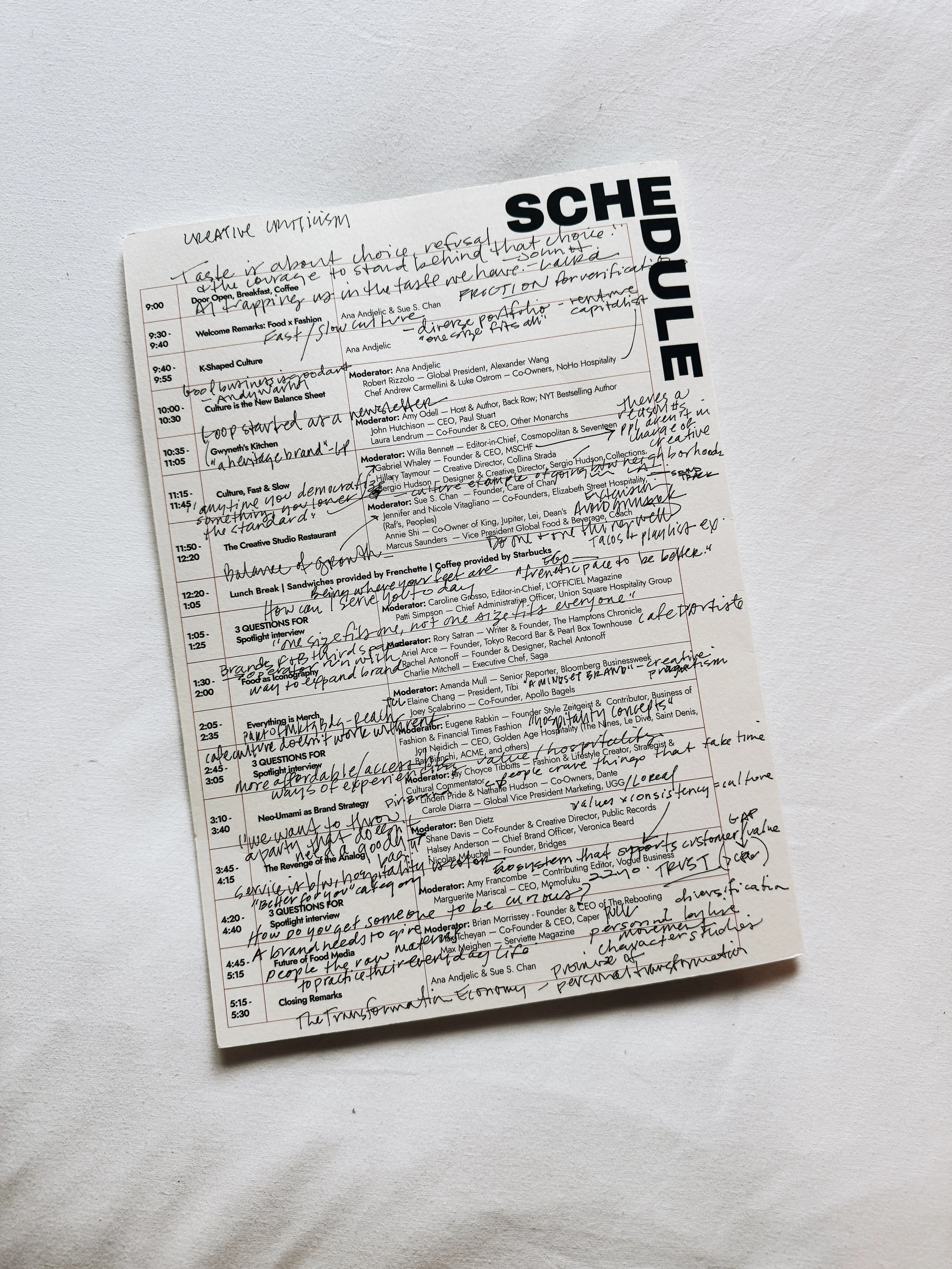
On the panel Culture is the New Balance Sheet, Luke Ostrom, Co-Owner of NoHo Hospitality (The Dutch, Joe's Pub, The Astor, Bar Primi, etc) spoke with Robert Rizzolo, Global President of Alexander Wang, about the importance of investing in everything that surrounds your product. This in turn contributes to the experience of said product.
Hospitality is showbiz, baby.
Regardless of your niche, regardless of your ICP (or your VIP), how people experience your brand indirectly is as, if not more, important as the product itself. Service is black and white, hospitality is color. That thinking applies to brand marketing, too.
What if instead of approaching your Earnings Meeting as a meeting, you thought of it as a concept, an experience. How would that change the decisions you made about the deck, the tone of voice, the catering, the music, the materials? A 3-hour block now feels engaging, something people are likely to remember, take interest in. A positive, enriching experience certainly builds brand muscle memory faster than a dry, transactional PPT. Throw a party that doesn't need a goody bag, as Ben Dietz said.
After the lunch break we all spilled into the lobby, and wouldn't you know it, my guy in the Starbucks apron was there to greet us with not five, but 50-dollar gift cards.
Back in the stadium seating we spoke about The Transformation Economy. This is when brands promise personal transformation when you integrate them into your life. Similar to the hospitality concept, as a buying culture we need more from the brands we engage with. It's not enough for you to do the thing you sold me on, that thing needs to also make a real difference in my daily life. I need to feel good about it, feel that I'm better for it.
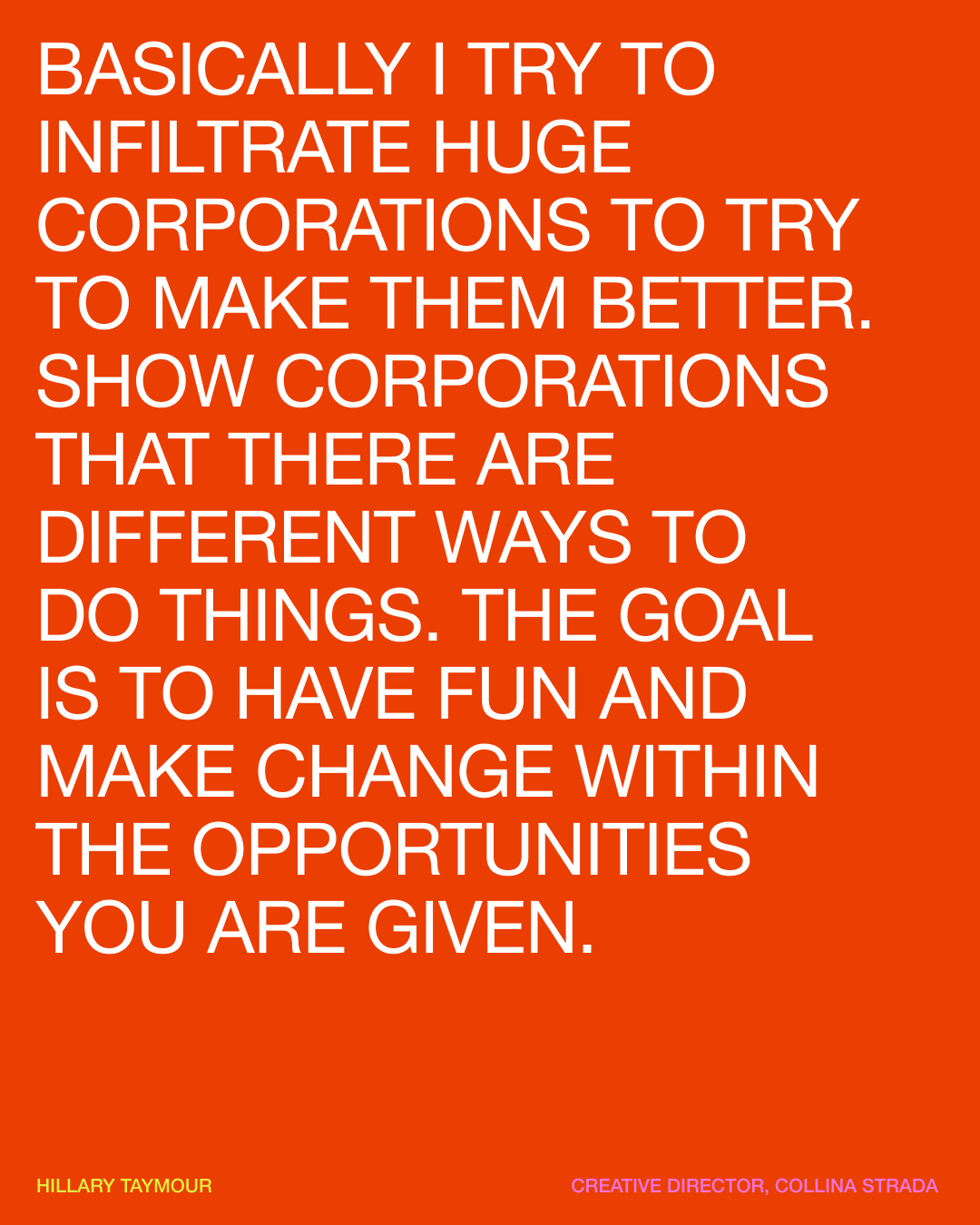
If you zoom out, the core of the hospitality every-category is the desire to make the human experience better. That's why I'm still in the creative industry, and why BEST thrives in meeting companies where they're at, understanding their business, and then flexing creative to power a more thoughtful, lasting approach to impact.
Toward the end of the day, maybe around 4:30, I popped out to use the restroom and clocked the mini fridge Starbucks had set up stocked with their CPG products. Too much “milk” content for me, but the breadth and consistency of brand touch points was not lost.
One of my favorite conversations was Vogue Business contributing editor, Amy Francombe, interviewing Marguerite Mariscal, the CEO of Momofuku. Mariscal started her career 22 years ago as the brand's intern—before David Chang was a household name, before there was a CPG product in the aisles of CVS.
Values x Consistency = Culture
Brands need to be creating an ecosystem that supports what their customer values. Build trust in this spot, consistently. Then identify the gap in that value set, launch your product and boom, dinner is served.
In conclusion, the Starbucks integration was a perfect sneaky case study of how a brand—even pre-loaded with a certain perception—can successfully change consumers' minds by investing and integrating into their cultural landscape. In just eight hours the hospitality of it all might not have convinced me to start drinking Caramel Ribbon Crunch Frappuccinos®, but it did garner a new respect for the brand and that's the beginning of the customer journey isn't it?
Five stars to Ana Andjelic (of The Sociology of Business), Sue Chan (of Care of Chan), and Max Meighen (of Serviette Magazine) on an expertly-executed event worth the entry fee. Coffee on me next time.
Top image by Jess Tran
