

You Get What You Pay For
October 14, 2026
It’s not super clear what a creative person is being paid to do anymore, so let’s talk about it.
From the agency side, I’m watching companies treat creative work as an operational cost, something to consolidate, standardize, automate, and measure. From the brand side, I’m watching leadership ask for the opposite. They need someone in-house with creative authority, making sure everything that ships drives business growth.
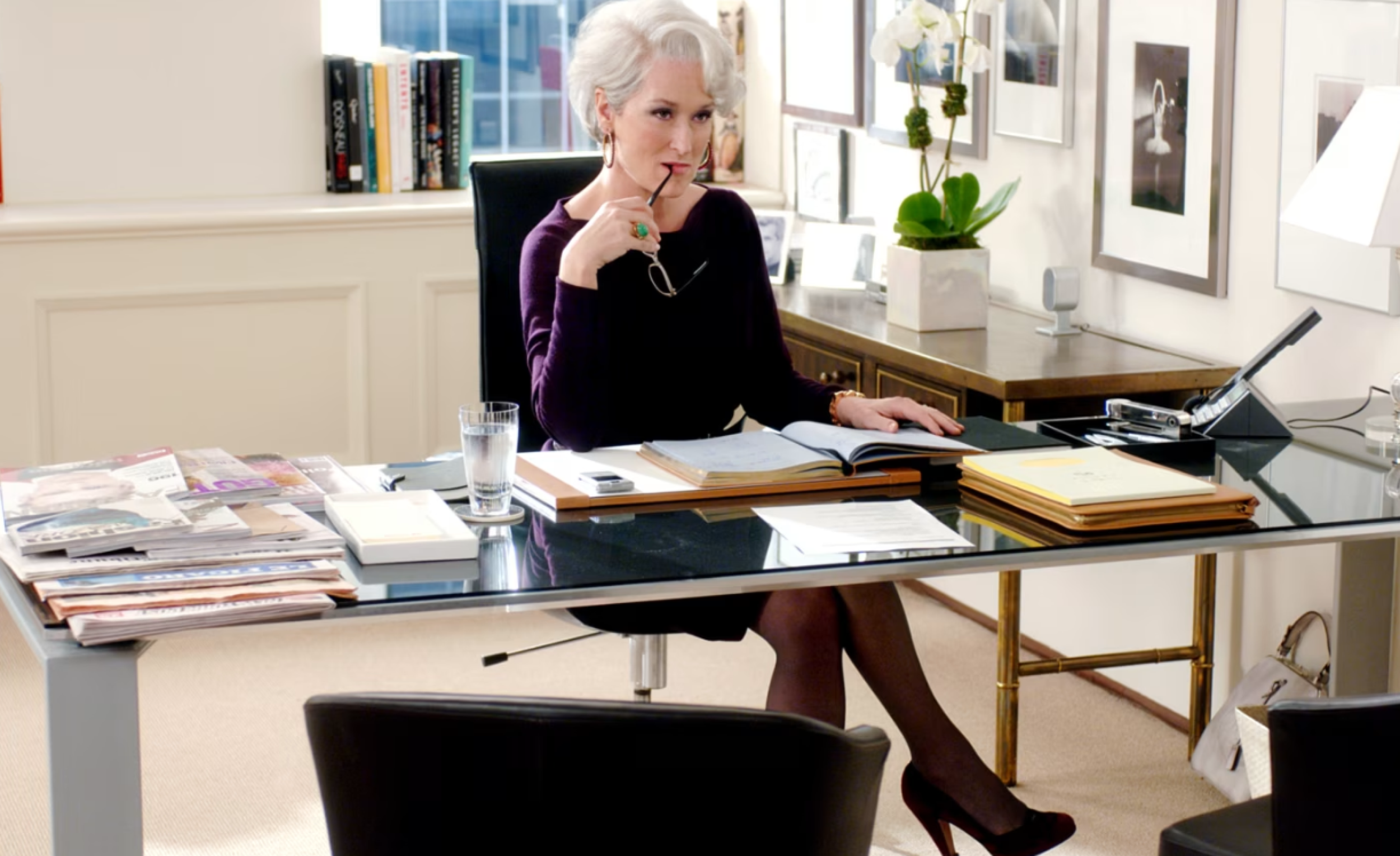
Both are chasing efficiency, and both are right. What gets lost is where the efficiency actually comes from. Creative work pays off when it’s directed from the top. When you’re just reacting to a brief, you end up with a stack of deliverables that each look fine and don’t add up to anything. Somebody has to decide what the brief should be before anyone fires up Canva.
That’s the job of a creative director.
The business is knowing where the brand needs to go. The craft is the logo, the palette, and the copy that get it there. A creative director sees through both lenses and brands toward outcomes that matter to the CRO and the CMO. One doesn’t exist without the other.
A good pressure test is your brand guidelines. How are those working for you?
If you’re like most of the brands I talk to, some of this will sound familiar. The guidelines live in a long deck nobody opens. The team tweaks them a little every time a new project doesn’t quite fit. There’s a purpose statement and a list of values the team can recite but that never shows up in the work. The color palette is so big that everything is technically on-brand. Messaging is split across three frameworks written by three different departments.
Right now I’m acting as a fractional creative director for one of our clients, while BEST builds what we direct. Before I was in this seat, we were their studio partner, and we did exactly that kind of tweaking. We’d adjust the guidelines just enough for the creative we were producing to work. Good work, solving for the brief in front of us.
Now I’m directing the brief.
We’re taking the company story, the financial goals, the pressures on the industry, and the equity the brand has built over the years, and connecting all of it to the visual language. A brand purpose and a list of values is cute, but a reason for being is better. A single pattern on every deliverable is recognizable, but an ecosystem of graphic elements breathes life into that PPT. An expansive primary and secondary palette is fun, but a tighter one works harder and is easier for an AI agent to read.
The sausage-making part is untangling what matters long-term from what matters now, then figuring out how it shows up on each platform and whether employees actually care.
The conversations happening in the boardroom are now powering the creative. The ship is steady. The feed reads consistently, the events are cohesive, and the messaging finally sounds like one brand.
Doesn’t that feel nice?
When we’re done, the guidelines will have gone from a wordy deck to a living digital resource that tells the brand’s story in terms of culture and commerce. It’ll have a copy bank for the about slide, the hex code for the primary color, and a note on when (and when not) to use it.
So, back to creative as an operational cost. Consolidate, standardize, and automate until you’re out of tokens. It goes a lot further when someone with discernment is deciding what to keep.
That’s what you’re paying for when you hire creative authority. Creative intelligence rooted in business impact, and an egoless desire to make the brand better.
