

Take Them to the Theatre
October 27, 2025
We’re approaching the 2025 sales season’s final frontier. Everyone is selling something — your reclaimed youth, the last course you’ll ever need to take, your next book club book, the mayor of New York City. Regardless of what is served, what you end up actually purchasing are brands that make you feel something.
A narrative advertising campaign is a marketing strategy that uses story structure to connect brand, audience, and product around a cohesive idea. Instead of leading with features or offers, it builds an emotional throughline that gives every ad, piece of content, and brand touchpoint a role in bringing to life the same world. This turns content to connection, tapping into the emotion-funded credit card we all love to swipe.
Think of Apple, Nike, AirBnB — they don’t advertise products, they tell brand stories. You can instantly envision the experience of that brand in your mind. This is because of the brand world they’ve built through a consistent, cohesive (visual) narrative.
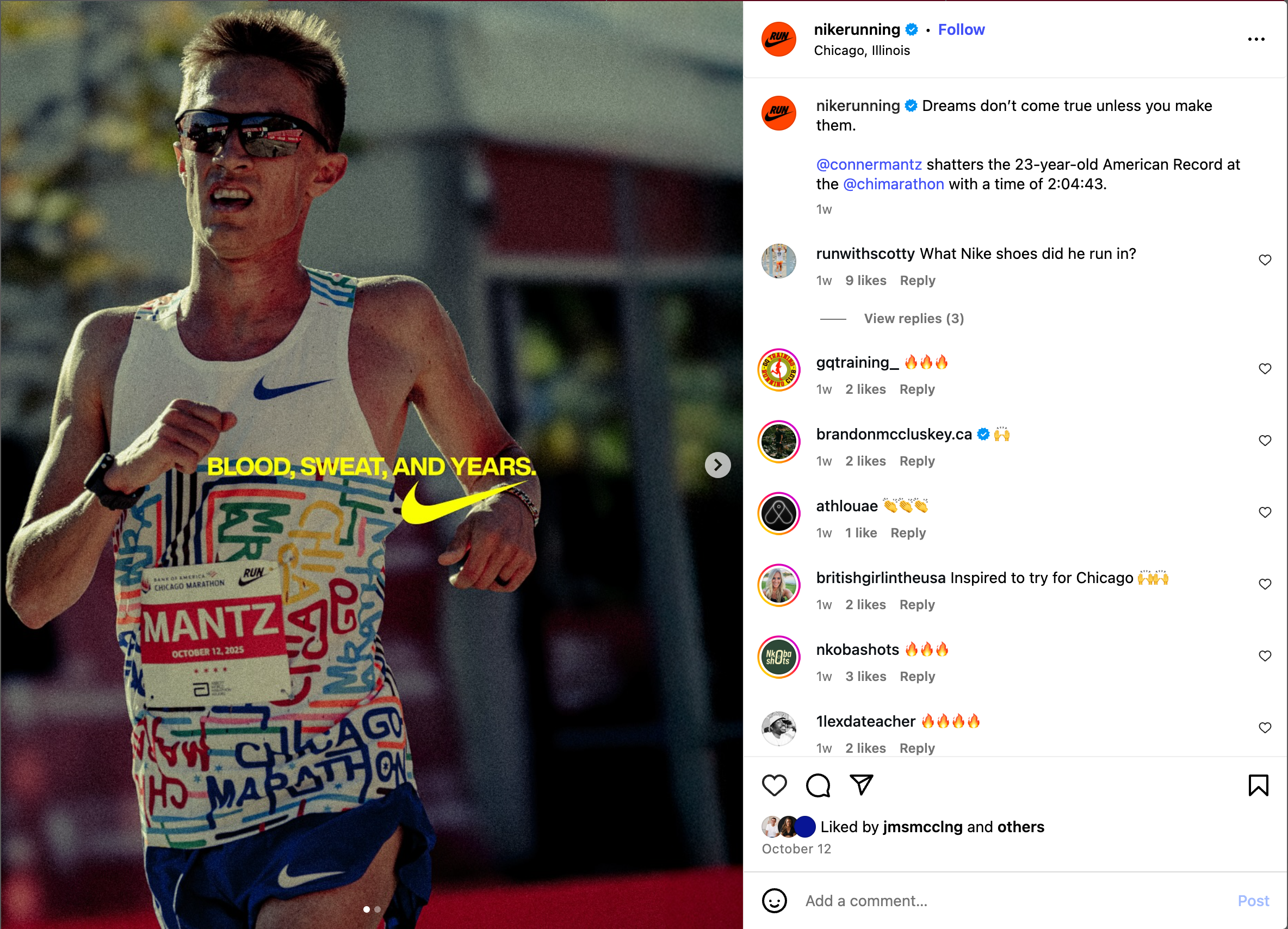
Choosing to tell a story positions brands at a level of culture not category. It signals intelligence and purpose — qualities audiences associate with leading the conversation rather than simply promoting alongside it.
Even though Nike didn’t mention a specific product, RunWithScotty wants to buy the same shoes. BritishGirlInTheUSA is inspired and encouraged to make her own dream come true, placing herself in her own marathon.
Companies that continue to scale within noisy markets aren’t louder, they’re more emotionally intelligent. Narrative campaigns deliver awareness, engagement, and conversion all in one tight little strategic system.
But I have to answer for every dollar spent, you coo desperately. How do I measure the impact of a narrative campaign? Well, simply, it performs better. Story-led campaigns amplify the effectiveness of performance marketing. Emotionally engaging ads have been proven to drive twice the long-term sales impact.
Also, it’s science! We’re wired to engage, remember, and feel. In a scroll economy brands need to meet their audiences where their attention already lives. Storytelling simply works with human nature, not against it.
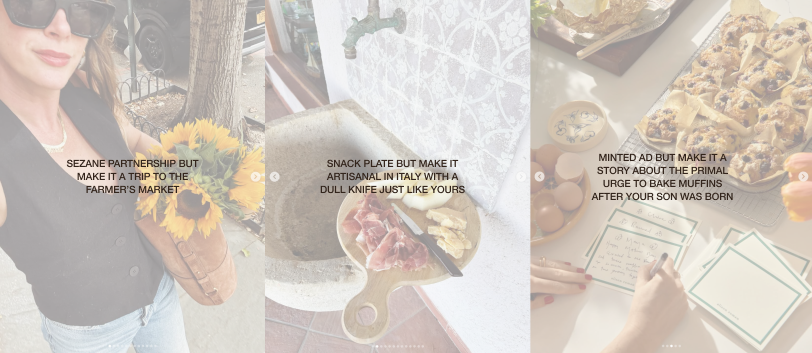
Take the cult of Alison Roman. Sure, we love #TheStew, but the real reason her audience (growing by the instagram post) will buy anything she touches is because they’re invested in her story. It’s aspirational, relevant, and mostly-attainable all at the same time. They trust her opinion, they idolize her taste. Therefore they’re using the products she does, they’re buying her books, subscribing to her channels, and throwing dill (her favorite herb) on stage at her tour. She’s taken information (recipes) and turned it into meaning (a relatable lifestyle). Fans buy meaning. Alison Roman without her story is simply a home cook.
Want something with a little more production value? Everlane’s Better for You Campaign. Rather than spouting product claims, it puts the customer at the center of the brand story. It combines luxury + clean + personal benefit — all elements their audience is already yapping about — and then empowers them to choose with clarity and confidence. Everlane has now moved past being liked to being trusted and desired.

This type of campaign obviously took a big team, a big investment and a big idea. But the same narrative-first thinking to achieve the same outcomes can be applied at any scale.
We just did a campaign sprint for a brand who’d lost the plot. They’d recently changed ownership, were navigating distrust of their audience, and needed to make up for loyalty (and sales) with a lucrative holiday season. Investing in an expertly-shot campaign was out of the question, all the EOY budget was put behind a less risky (to them) UGC push. To redefine their brand world, grow a new, engaged audience, and recoup sales they needed a quick, clear, efficient strategy. They needed a story.
With a cohesive and brand-rooted POV we created the Brand’s Holiday Universe. Through a unified story lens that the influencers understood and felt, everyone’s shooting content on different trips but in the same shoes. The campaign, while independently created, now feels intentional instead of fragmented. Through the story we’re not just telling consumers to buy the product, we’re showing them how it looks — how IT FEELS — to live with it.
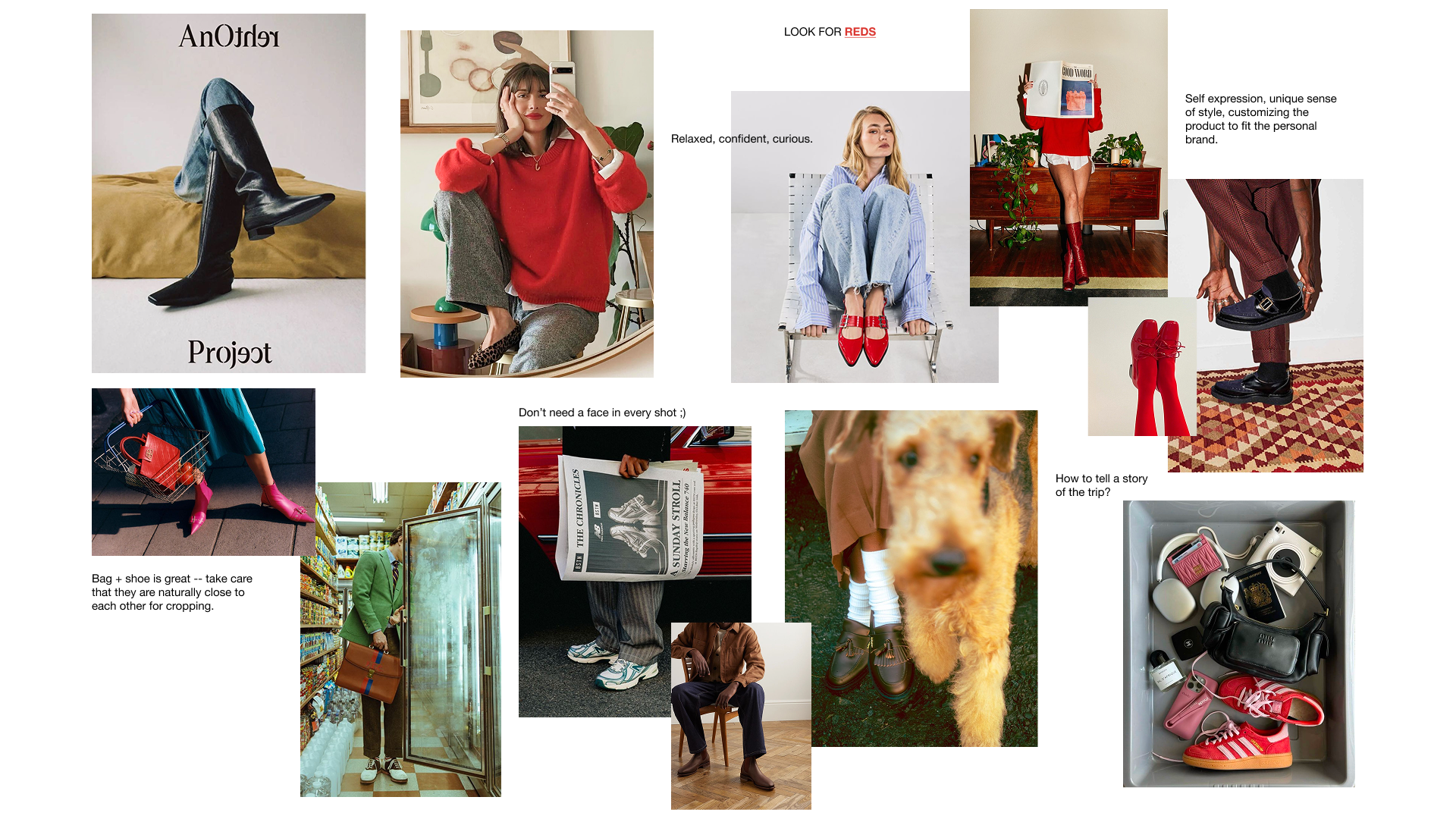
This is just proof that narrative doesn’t have to mean complicated process, it needs strategic coherence. Once you nail that you're in the driver's balcony seat. From transactional to transcendent. From flippant to forever. From obnoxious to obsessed.
That’s show business.
